
Dental Care: A Complete Guide to Healthy Teeth and Gums

Dental care is a vital part of overall health, yet it is often overlooked until problems arise. Proper oral hygiene not only helps maintain a bright smile but also prevents pain, infections, and serious health complications. With the right daily habits and professional support, long-term dental health is achievable at any age.
What Is Dental Care?
Dental care refers to the practices and treatments that keep your teeth, gums, and mouth healthy. It includes daily self-care routines as well as professional dental services designed to prevent, diagnose, and treat oral conditions.
Good dental care supports:
-
Strong teeth and healthy gums
-
Fresh breath and oral comfort
-
Reduced risk of cavities and gum disease
-
Better overall health and confidence
Why Dental Care Is Important
Poor oral health can lead to more than toothaches. Studies consistently show connections between oral health and systemic conditions such as heart disease and diabetes.
Key benefits of proper dental care include:
-
Prevention of tooth decay and cavities
-
Protection against gum disease (gingivitis and periodontitis)
-
Early detection of oral health issues
-
Lower long-term healthcare costs
-
Improved speech, chewing, and digestion
Daily Dental Care Routine
Consistency is the foundation of effective dental care. A simple daily routine can significantly reduce dental problems.
Brushing Your Teeth Correctly
Brushing removes plaque, a sticky film of bacteria that causes decay and gum disease.
Best brushing practices:
-
Brush twice daily for at least two minutes
-
Use a soft-bristled toothbrush
-
Choose fluoride toothpaste
-
Brush gently in circular motions
-
Don’t forget the tongue to reduce bacteria
Flossing and Interdental Cleaning
Flossing cleans areas your toothbrush cannot reach.
Benefits of flossing include:
-
Removal of trapped food particles
-
Reduced risk of cavities between teeth
-
Healthier gums and less inflammation
Interdental brushes or water flossers can be useful alternatives for people with braces or wider gaps.
Mouthwash Use
Mouthwash adds an extra layer of protection but should not replace brushing or flossing.
Mouthwash can help with:
-
Killing bacteria
-
Strengthening enamel
-
Controlling bad breath
Professional Dental Care
Even with excellent home care, professional dental visits are essential.
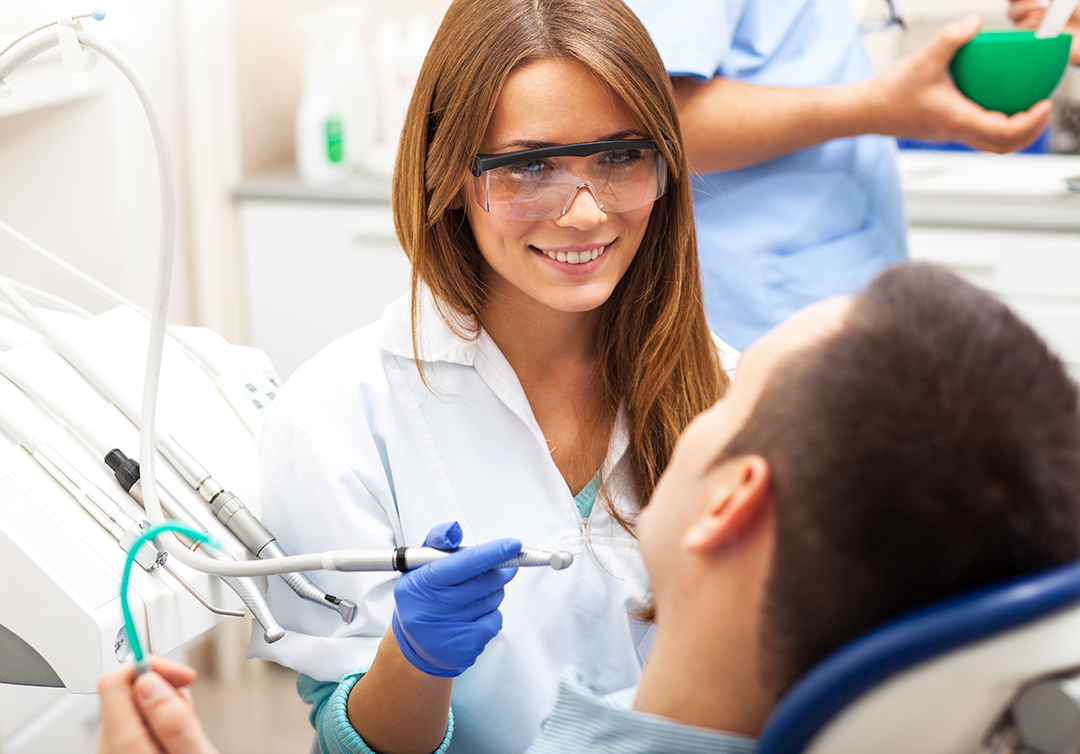
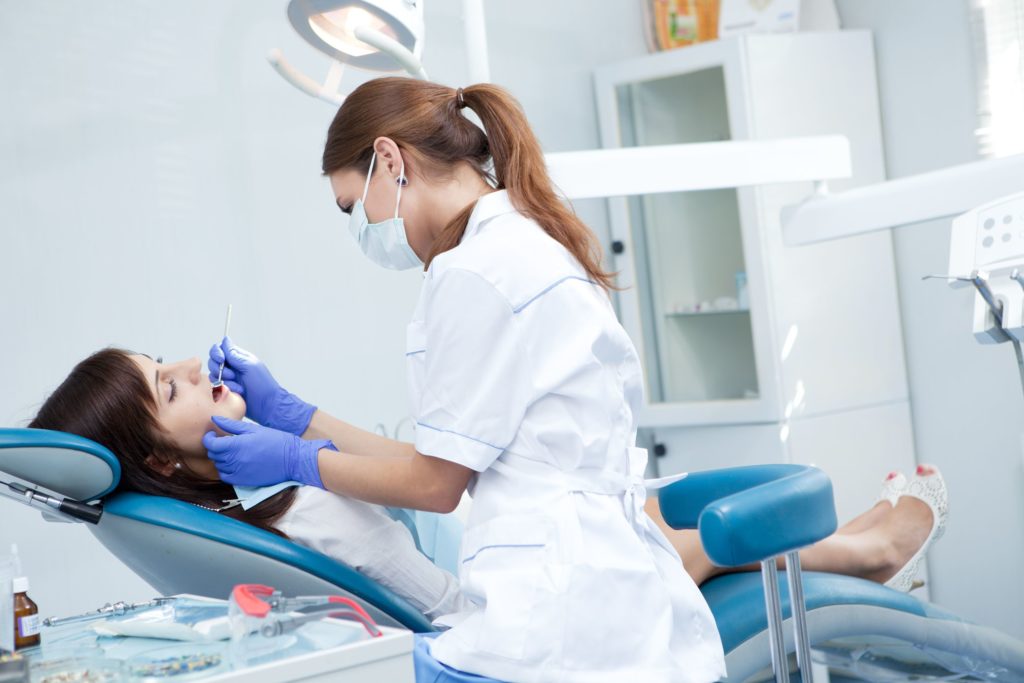
Regular Dental Checkups
Dentists recommend visiting every six months, though frequency may vary.
During a routine visit, dentists:
-
Examine teeth and gums
-
Perform professional cleaning
-
Identify early signs of decay or disease
-
Provide personalized care advice
Common Dental Treatments
Professional dental care includes a wide range of treatments such as:
-
Fillings for cavities
-
Root canal therapy for infected teeth
-
Crowns and bridges for damaged or missing teeth
-
Teeth whitening for cosmetic enhancement
Nutrition and Dental Health
What you eat plays a major role in oral health.
Foods that support healthy teeth:
-
Dairy products rich in calcium
-
Crunchy fruits and vegetables
-
Nuts and seeds
-
Water and sugar-free beverages
Foods to limit:
-
Sugary snacks and drinks
-
Sticky candies
-
Acidic beverages like soda
Dental Care for Different Life Stages
Dental needs change over time, making age-specific care important.
Children and Teenagers
Early habits shape lifelong oral health. Parental guidance and routine dental visits help prevent early decay and alignment issues.
Adults
Stress, diet, and lifestyle habits can affect teeth and gums. Preventive care and timely treatment are essential during adulthood.
Seniors
Aging increases the risk of dry mouth, gum recession, and tooth loss. Gentle care and regular dental supervision help maintain comfort and function.
Long-Term Benefits of Good Dental Care
Maintaining oral health offers lasting rewards beyond a confident smile.
Long-term advantages include:
-
Fewer dental emergencies
-
Lower risk of chronic disease
-
Improved quality of life
-
Better self-esteem and social confidence
FAQ: Dental Care
1. How often should I replace my toothbrush?
Replace your toothbrush every three to four months, or sooner if the bristles become worn.
2. Is electric brushing better than manual brushing?
Electric toothbrushes can be more effective for plaque removal, especially for people with limited mobility.
3. Can gum disease be reversed?
Early-stage gum disease (gingivitis) can often be reversed with proper oral hygiene and professional care.
4. Does stress affect dental health?
Yes, stress can contribute to teeth grinding, gum disease, and poor oral hygiene habits.
5. Are dental X-rays safe?
Modern dental X-rays use very low radiation and are considered safe when used appropriately.
6. How does smoking impact dental care?
Smoking increases the risk of gum disease, tooth loss, staining, and oral cancer.
7. Is bleeding while brushing normal?
Occasional bleeding may occur, but persistent bleeding is often a sign of gum disease and should be checked by a dentist.