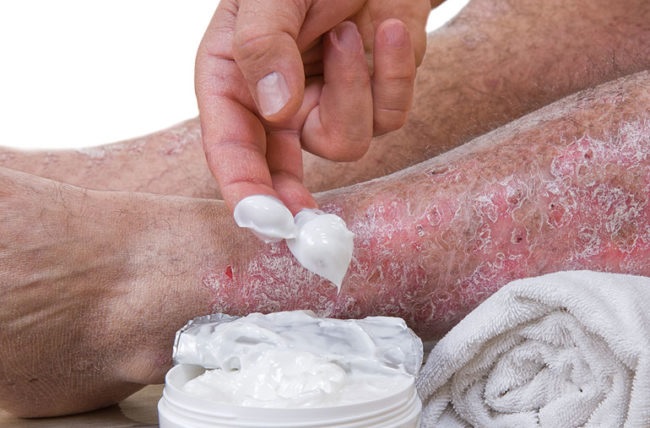

Treatment: Meaning, Types, and How It Supports Recovery

Treatment is the process of managing, relieving, or curing a medical condition through planned healthcare interventions. It is not limited to medications or surgery; treatment can also involve lifestyle changes, therapy, and ongoing monitoring. The ultimate aim is to improve health outcomes while supporting physical, mental, and emotional well-being.
Treatment decisions are usually based on medical evidence, patient history, severity of illness, and individual preferences.
Primary Goals of Treatment
Treatment plans are designed with specific objectives in mind, depending on the condition and patient needs.
-
Curing the disease or condition
-
Managing symptoms to improve daily life
-
Slowing or stopping progression of chronic illness
-
Preventing complications and future health risks
-
Enhancing quality of life and functional ability
Not every condition can be cured, but appropriate treatment can still provide meaningful relief and stability.
Major Types of Treatment
Medical Treatment
Medical treatment commonly involves prescription or over-the-counter medications. These drugs work by addressing symptoms, controlling biological processes, or eliminating harmful agents.
Examples include:
-
Antibiotics for bacterial infections
-
Anti-inflammatory drugs for pain and swelling
-
Hormonal therapies for endocrine disorders
Medication-based treatment often requires monitoring to ensure safety and effectiveness.
Surgical Treatment
Surgical treatment is used when physical correction or removal is necessary. It may be recommended for injuries, tumors, organ damage, or structural abnormalities.
Surgery can be:
-
Elective, planned in advance
-
Emergency, performed immediately to save life or function
Modern surgical techniques emphasize precision, reduced recovery time, and lower risk.
Therapeutic and Rehabilitative Treatment
Therapy-based treatment focuses on restoring movement, strength, or mental health. It plays a vital role in recovery and long-term care.
Common forms include:
-
Physical therapy
-
Occupational therapy
-
Speech therapy
-
Psychological counseling
These treatments are especially important after injury, surgery, or chronic illness diagnosis.
Preventive Treatment
Preventive treatment aims to reduce the risk of disease before it occurs. This proactive approach is essential in modern healthcare.
Examples include:
-
Vaccinations
-
Routine health screenings
-
Lifestyle counseling for diet and exercise
Prevention often leads to better outcomes and lower healthcare costs.
How Treatment Plans Are Developed
A treatment plan is typically customized and may involve multiple healthcare professionals. Key factors considered include:
-
Diagnosis and disease stage
-
Patient age and medical history
-
Possible side effects or risks
-
Patient lifestyle and preferences
Open communication between patients and providers ensures treatment aligns with realistic goals and expectations.
Importance of Adherence to Treatment
Following the prescribed treatment plan is critical for success. Skipping doses, stopping therapy early, or ignoring medical advice can reduce effectiveness or cause complications.
Benefits of proper adherence include:
-
Faster recovery
-
Reduced risk of relapse
-
Better symptom control
-
Improved long-term health
Patients are encouraged to ask questions and report concerns promptly to their healthcare provider.
FAQ Section
What is the difference between treatment and therapy?
Treatment is a broad term covering all medical interventions, while therapy usually refers to rehabilitative or psychological approaches within a treatment plan.
Can one condition require multiple types of treatment?
Yes, many conditions are managed using a combination of medication, therapy, lifestyle changes, and sometimes surgery.
How long does treatment usually last?
Treatment duration varies widely depending on the condition, severity, and individual response. Some treatments are short-term, while others may be lifelong.
Is treatment always necessary?
Not always. Some mild conditions may resolve on their own, but medical evaluation helps determine when treatment is beneficial or required.
Can treatment change over time?
Yes, treatment plans are often adjusted based on progress, side effects, or changes in health status.
What happens if treatment is not followed properly?
Improper adherence can lead to worsening symptoms, delayed recovery, or serious complications.
How can patients make treatment more effective?
Clear communication with healthcare providers, following instructions carefully, and maintaining healthy habits all support better treatment outcomes.