
Pregnancy: Understanding the Journey to Motherhood

Pregnancy is a natural and life-changing process in which a woman carries and nurtures a developing baby inside her womb. It is a period filled with physical changes, emotional growth, and important health considerations. With the right knowledge and care, pregnancy can be a positive and empowering experience.
What Is Pregnancy?
Pregnancy begins when a sperm fertilizes an egg and the fertilized egg implants itself in the uterus. From this point, the body starts producing hormones that support the growth and development of the baby. A typical pregnancy lasts about 40 weeks and is measured from the first day of the last menstrual cycle.
Stages of Pregnancy
Pregnancy is divided into three stages called trimesters, each lasting about three months.
First Trimester (Weeks 1–12)
This stage is crucial for fetal development. Major organs such as the heart, brain, and spinal cord begin to form.
Common experiences during this phase include:
-
Morning sickness
-
Extreme tiredness
-
Food aversions
-
Hormonal mood swings
Second Trimester (Weeks 13–26)
Often considered the most comfortable phase, many early symptoms begin to ease. The baby grows rapidly, and movements may become noticeable.
Key changes include:
-
Visible baby bump
-
Increased energy levels
-
Skin changes
-
Feeling fetal movements
Third Trimester (Weeks 27–40)
The final stage focuses on growth and preparation for birth. Physical discomfort may increase as the baby gains weight.
Common experiences include:
-
Back pain
-
Swollen feet and ankles
-
Shortness of breath
-
Frequent urination
Physical and Emotional Changes During Pregnancy
Pregnancy affects nearly every system in the body. Hormonal fluctuations can influence emotions, causing mood swings, anxiety, or heightened sensitivity. These changes are normal and often temporary.
Physical changes may include:
-
Weight gain
-
Stretch marks
-
Breast enlargement
-
Changes in posture
Emotional well-being is just as important as physical health, and support from loved ones plays a vital role.
Importance of Prenatal Care
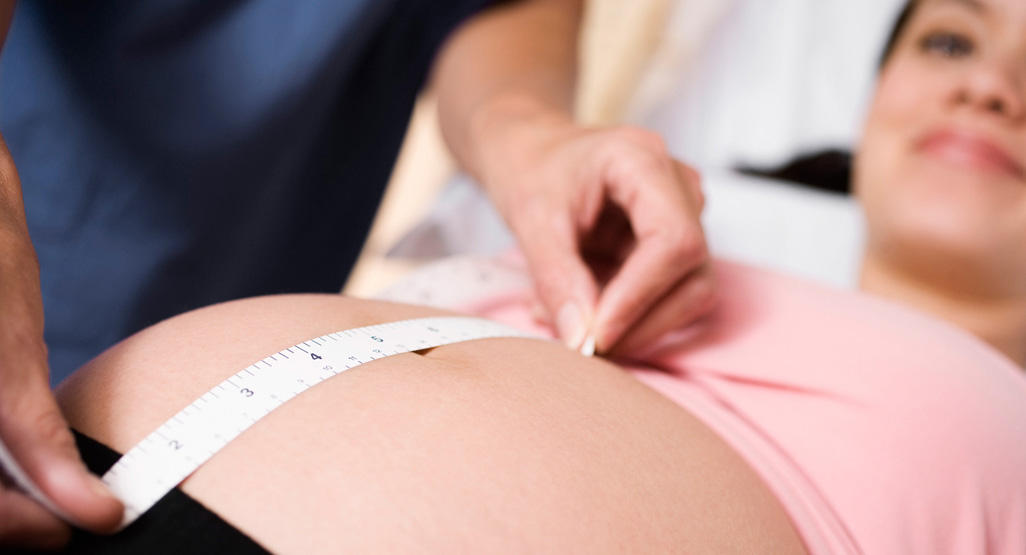
Regular prenatal checkups help monitor both maternal and fetal health. Early and consistent care reduces risks and allows timely management of potential complications.
Prenatal care typically includes:
-
Routine ultrasounds
-
Blood and urine tests
-
Monitoring blood pressure
-
Tracking fetal growth
Nutrition During Pregnancy
A balanced diet supports healthy fetal development and maternal well-being. Nutrient-rich foods help prevent deficiencies and complications.
Essential nutrients include:
-
Folic acid for neural development
-
Iron to prevent anemia
-
Calcium for strong bones
-
Protein for tissue growth
-
Omega-3 fatty acids for brain development
Staying hydrated and limiting processed foods are equally important.
Healthy Lifestyle Tips for Pregnant Women
Maintaining a healthy lifestyle can ease discomfort and promote a smoother pregnancy.
Recommended habits include:
-
Light to moderate exercise
-
Adequate sleep
-
Stress management
-
Avoiding alcohol and smoking
-
Following medical advice
Listening to your body and resting when needed is essential.
Common Pregnancy Concerns
Many women worry about physical changes, labor pain, or the baby’s health. Open communication with healthcare providers helps address these concerns effectively. Education and preparation reduce anxiety and build confidence.
Frequently Asked Questions (FAQs)
1. How soon can pregnancy be confirmed?
Pregnancy can usually be confirmed about one to two weeks after a missed period using a home pregnancy test or blood test.
2. Is weight gain during pregnancy normal?
Yes, healthy weight gain is essential and varies depending on body type and medical guidance.
3. Can exercise be continued during pregnancy?
Most women can safely continue light to moderate exercise after consulting a healthcare provider.
4. What foods should be avoided during pregnancy?
Unpasteurized dairy, raw seafood, undercooked meats, and excessive caffeine should be avoided.
5. How often should prenatal visits occur?
Typically, visits occur monthly at first, then biweekly, and weekly toward the end of pregnancy.
6. Is emotional stress harmful during pregnancy?
Occasional stress is normal, but chronic stress should be managed with professional support.
7. When should preparations for childbirth begin?
Many parents begin preparing during the second trimester to reduce last-minute stress.