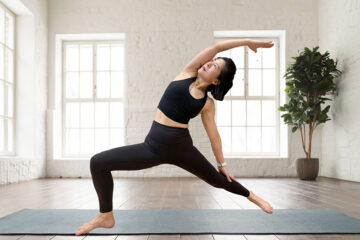

Yoga: A Complete Guide to Balance, Strength, and Inner Calm

Yoga is more than a physical routine. It is a time-tested practice that brings together movement, breath, and awareness to support overall well-being. Rooted in ancient traditions, yoga has evolved into a modern lifestyle tool that helps people manage stress, improve fitness, and cultivate mental clarity.
What Is Yoga?
Yoga is a holistic discipline that integrates the body, mind, and breath. Traditionally, it includes physical postures (asanas), breathing techniques (pranayama), and meditation. Together, these elements aim to promote balance, flexibility, strength, and inner peace.
Rather than focusing only on exercise, yoga emphasizes how you move, breathe, and pay attention to the present moment.
Core Principles of Yoga
Yoga is built on a few foundational ideas that guide practice both on and off the mat.
Key principles include:
-
Mindfulness: Staying present and aware during movement and rest
-
Breath control: Using breathing to regulate energy and focus
-
Balance: Creating harmony between effort and ease
-
Consistency: Progress through regular, intentional practice
These principles make yoga adaptable to different ages, fitness levels, and life stages.
Physical Benefits of Yoga
With consistent practice, yoga supports overall physical health without placing excessive strain on the body.
Notable physical benefits include:
-
Improved flexibility and joint mobility
-
Increased muscle strength and endurance
-
Better posture and spinal alignment
-
Enhanced balance and coordination
-
Support for cardiovascular and respiratory health
Yoga is often recommended as a low-impact option for people recovering from injuries or managing chronic discomfort.
Mental and Emotional Benefits
Beyond physical changes, yoga is widely valued for its effect on mental well-being.
Regular practice can help:
-
Reduce stress and anxiety
-
Improve focus and concentration
-
Encourage emotional regulation
-
Support better sleep quality
-
Build a stronger mind–body connection
The combination of movement and breath creates a calming effect on the nervous system, making yoga especially helpful in fast-paced lifestyles.
Popular Types of Yoga
There are many styles of yoga, each offering a different emphasis. Choosing the right one depends on personal goals and preferences.
Hatha Yoga
A gentle, slower-paced style focusing on basic postures and breathing. Ideal for beginners.
Vinyasa Yoga
Characterized by flowing sequences that link breath with movement. Often more dynamic and physically engaging.
Ashtanga Yoga
A structured and physically demanding practice with a fixed sequence of poses.
Yin Yoga
Targets deep connective tissues through long-held poses. Encourages relaxation and flexibility.
Restorative Yoga
Uses props to support the body in passive poses, promoting deep rest and recovery.
How to Start Practicing Yoga
Beginning yoga does not require flexibility or special skills. What matters most is consistency and patience.
Practical tips for beginners:
-
Start with short sessions, even 10–15 minutes
-
Focus on proper breathing rather than perfect poses
-
Use a comfortable mat and wear flexible clothing
-
Follow guided classes or experienced instructors
-
Listen to your body and avoid pushing into pain
Progress in yoga is gradual, and benefits build over time.
Yoga as a Lifestyle Practice
Yoga extends beyond the mat into daily life. Many practitioners adopt mindful habits such as conscious breathing, balanced routines, and intentional rest. Over time, yoga becomes less about performance and more about self-awareness and balance.
FAQs About Yoga
Is yoga suitable for beginners with no fitness background?
Yes, yoga is highly adaptable and can be modified for all fitness levels, including complete beginners.
How often should I practice yoga to see results?
Practicing 3–5 times per week can bring noticeable physical and mental benefits, though even short daily sessions are effective.
Can yoga help with stress-related issues?
Yoga is widely known for reducing stress by calming the nervous system and improving emotional regulation.
Do I need to be flexible to practice yoga?
Flexibility is not a requirement. Yoga helps build flexibility over time.
Is yoga a form of exercise or meditation?
Yoga combines both. Some styles focus more on physical fitness, while others emphasize meditation and breathwork.
Can yoga be practiced at home?
Yes, many people successfully practice yoga at home using guided sessions or self-led routines.
What is the best time of day to practice yoga?
There is no single best time. Morning practice energizes the body, while evening sessions promote relaxation and better sleep.