

Mastering Your Yoga Practice with the Yoga Wheel: A Comprehensive Guide
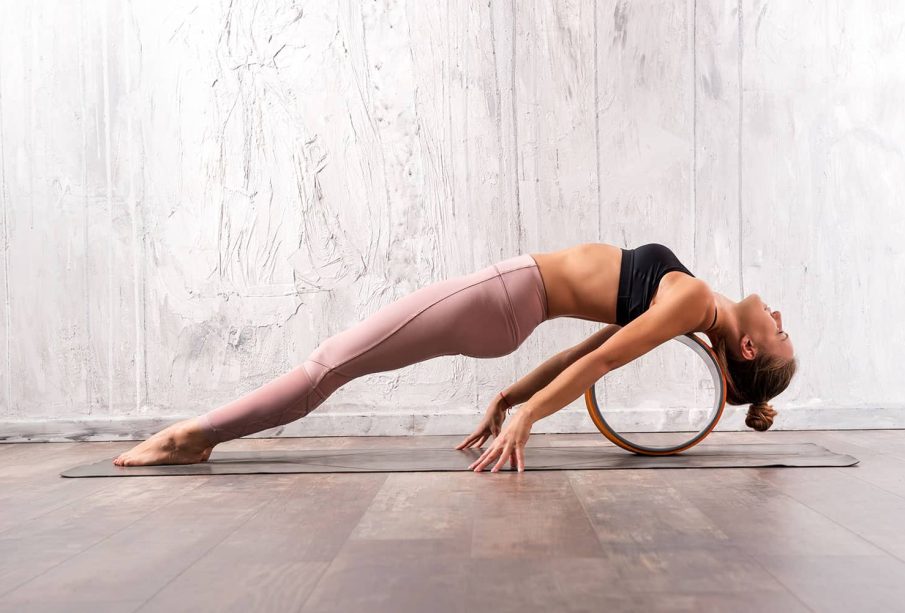
The yoga wheel has quickly become one of the most essential tools in modern yoga practice. Its simple yet effective design serves as a versatile prop, allowing yogis to explore deeper stretches, improve balance, and strengthen their muscles. If you’re looking to elevate your practice, the yoga wheel is a must-have addition to your toolkit. Whether you are a beginner or an experienced practitioner, the yoga wheel can help you unlock new levels of flexibility and strength. In this detailed guide, we’ll explore the many uses and benefits of incorporating a yoga wheel into your yoga routine.
For the highest quality yoga products, including the yoga wheel, visit Yoga Edition, a trusted source for premium yoga equipment.
What is a Yoga Wheel?
A yoga wheel is a circular prop designed to assist with various yoga poses, stretches, and exercises. Typically about 12 inches in diameter, the wheel is made from durable materials like plastic or wood and often features a padded surface for comfort. Its purpose is to provide support, stability, and alignment during both challenging and restorative yoga postures.
While the yoga wheel may appear simple, its versatility makes it an invaluable tool for enhancing flexibility, improving posture, and promoting spinal health. It can be used in a wide variety of poses, from backbends to core strengthening exercises, and is especially helpful for deepening stretches and assisting with balance.
Benefits of Using a Yoga Wheel
- Helps Achieve Deeper Backbends
Backbends are one of the most popular and beneficial types of yoga poses, but they can be intimidating, especially for those with limited flexibility. The yoga wheel makes backbends more accessible by offering support and allowing you to gradually deepen your stretches. Using the wheel during poses like Wheel Pose (Chakrasana) or Camel Pose (Ustrasana) can help open the chest and spine, creating more space in the upper back and improving your flexibility.
By placing the yoga wheel under your back during a backbend, you can relieve tension in the spine, stretch the muscles of the chest, and improve overall spinal mobility. The support provided by the wheel reduces the strain on the lower back, allowing for safer, more effective stretches.
- Enhances Spinal Health and Posture
One of the most significant advantages of incorporating the yoga wheel into your practice is its ability to improve spinal health and posture. Many people suffer from poor posture due to sedentary lifestyles, leading to tightness and misalignment in the spine. The yoga wheel can help correct this by promoting spinal alignment and facilitating deep spinal stretches.
By using the yoga wheel for poses that target the upper back, shoulders, and spine, you can gradually release tension and improve posture. Whether you’re practicing Child’s Pose (Balasana) with the wheel or performing Cobra Pose (Bhujangasana), the yoga wheel helps ensure proper alignment while stretching and strengthening the muscles along the spine. This can lead to a reduction in back pain and improved posture in everyday life.
- Increases Flexibility in Key Areas
Flexibility is a key focus in yoga, and the yoga wheel plays a pivotal role in enhancing it. By acting as an aid to deepen stretches, the yoga wheel can increase flexibility in areas such as the hamstrings, hips, and lower back, which tend to be tight for many people. The wheel allows for greater range of motion in poses that might otherwise be challenging, especially for those new to yoga.
Using the wheel in poses like Forward Fold (Uttanasana) or Reclining Hand-to-Big-Toe Pose (Supta Padangusthasana) helps open up the hamstrings and lower back, improving flexibility in these areas. The support the wheel provides during stretches ensures that you can hold poses longer and with better form, making it easier to build flexibility over time.
- Strengthens Core Muscles
In addition to improving flexibility, the yoga wheel is a fantastic tool for strengthening the core. Many yoga poses require strong core engagement, and the yoga wheel can enhance core stability by making poses more challenging. For example, when performing poses like Plank Pose or Side Plank, the wheel can be placed under the hands or feet to create an unstable surface, forcing the core to engage more intensely to maintain balance.
This increased engagement of the core muscles helps build strength and endurance in the abdominal, oblique, and lower back muscles, which are essential for maintaining proper alignment in various poses. Regularly using the yoga wheel in core-strengthening poses will significantly improve your overall stability and posture.
- Aids in Balance and Stability
Balance poses are a fundamental part of yoga practice, but they can be difficult for many practitioners to master. The yoga wheel helps improve balance and stability by creating an unstable surface that requires greater control and coordination. By placing the wheel under your hands, feet, or lower back, you can challenge yourself to maintain balance in poses such as Tree Pose (Vrksasana), Warrior III (Virabhadrasana III), and Half Moon Pose (Ardha Chandrasana).
This added challenge helps you develop better body awareness and proprioception (the ability to sense where your body is in space), which leads to improved balance both on and off the mat. As you become more accustomed to using the wheel in balance poses, you’ll notice increased control over your body’s movements and greater stability in your practice.
- Relieves Muscle Tension
Another key benefit of the yoga wheel is its ability to relieve muscle tension, particularly in the back and shoulders. Many individuals hold stress and tightness in these areas, leading to discomfort and even pain. The yoga wheel can be used for myofascial release to target specific muscle groups and ease tension.
By gently rolling the wheel along the back, shoulders, and hips, you can relieve knots and tightness, which improves circulation and promotes relaxation. The wheel’s shape and design make it ideal for targeting hard-to-reach muscles, allowing you to release tension more effectively than with a traditional foam roller. This muscle relaxation can help improve flexibility and reduce the risk of injury in your yoga practice.
- Promotes Deep Relaxation and Stress Relief
Yoga is not just about physical exercise—it’s also about mental well-being. The yoga wheel can be a valuable tool for promoting deep relaxation and stress relief, particularly in restorative yoga practices. By incorporating the wheel into gentle stretches or supported poses, you can enhance the restorative aspects of your practice and encourage a deep state of relaxation.
For example, using the wheel in poses such as Supta Baddha Konasana or Supported Bridge Pose helps open the chest, stretch the spine, and release tension from the body. This promotes relaxation, calms the nervous system, and helps reduce feelings of stress and anxiety. Incorporating the yoga wheel into your relaxation practice can have a profound effect on your mental health.
- Versatility in Practice
One of the reasons the yoga wheel is so widely loved is its versatility. It can be used in virtually any style of yoga, from dynamic Vinyasa flows to slow, meditative Restorative yoga. The wheel can be adapted to different skill levels, making it a great tool for both beginners and advanced practitioners.
For beginners, the yoga wheel provides support and safety when learning new poses or deepening stretches. For more experienced practitioners, the wheel offers a new challenge, making advanced poses like Wheel Pose and King Pigeon Pose (Eka Pada Rajakapotasana) more accessible. The wheel can also be used to modify poses, providing additional support where needed, which helps ensure safe and effective practice.
How to Integrate the Yoga Wheel Into Your Routine
- Use the Wheel for Backbends and Chest Openers
Backbends are one of the most popular applications of the yoga wheel. To safely practice deeper backbends, place the wheel under your back and gently arch over it to open the chest and stretch the spine. This can help release tension in the upper back and shoulders, improving your overall backbending practice.
- Incorporate the Wheel Into Core Work
To build core strength, incorporate the yoga wheel into poses that engage the core. Try using the wheel under your feet or hands in poses like Plank or Downward Dog to create an unstable surface. This forces the core to engage more deeply, building strength and stability.
- Use the Wheel for Stretching
Use the yoga wheel as a prop to deepen your stretches, particularly for your back, hamstrings, and hips. For example, place the wheel under your back in Seated Forward Fold or Reclining Hand-to-Big-Toe Pose to enhance the stretch and lengthen your muscles more effectively.
- Practice Myofascial Release
To relieve muscle tension and tightness, use the yoga wheel to roll out sore spots in your back, shoulders, and hips. The wheel’s shape and ability to apply pressure make it an effective tool for myofascial release, which helps improve circulation and reduce muscle knots.
Conclusion
The yoga wheel is an incredibly valuable tool for yogis of all levels. Whether you’re looking to improve flexibility, build strength, enhance your backbends, or simply relax and release muscle tension, the yoga wheel offers endless benefits. By incorporating it into your practice, you can deepen your stretches, improve your alignment, and take your yoga journey to new heights. Whether you’re a beginner or an advanced practitioner, the yoga wheel is an essential prop that can help you achieve your fitness and wellness goals.


